
Martin Luther King Jr. Day and the Civic Legacy of Nonviolence
Martin Luther King Jr. Day provides an opportunity to examine the civic and constitutional legacy of one of the most influential figures in American public life. Beyond remembrance, the day invites reflection on how nonviolence, dignity, and equality before the law have shaped the nation’s understanding of civil rights.
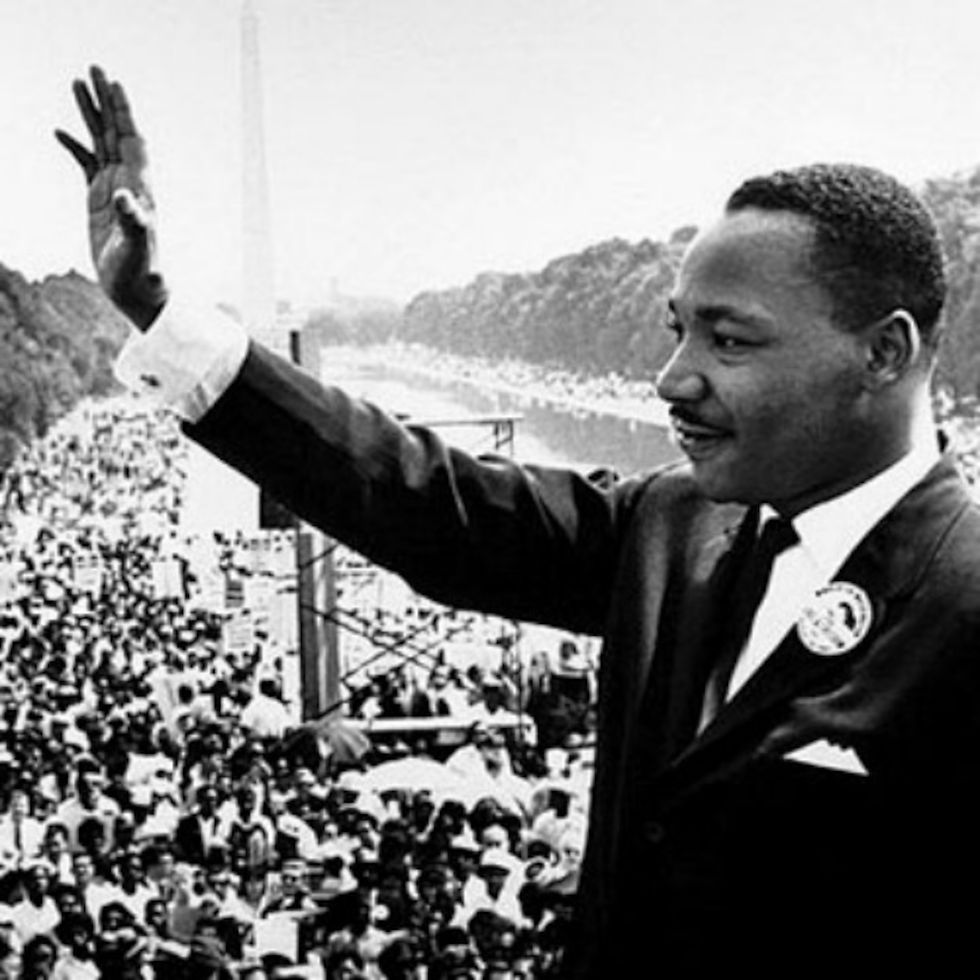
Legal and Constitutional Context
Dr. King’s leadership emerged during a period of significant constitutional debate concerning equal protection and civil liberties. His advocacy emphasized that constitutional guarantees are most meaningful when applied consistently across communities. By grounding his work in nonviolent civic engagement, Dr. King reinforced the role of peaceful participation within a constitutional democracy.
Clarification of Key Terms
Nonviolence, as articulated by Dr. King, was not passive. It functioned as a disciplined approach to civic action that sought reform without undermining democratic institutions. Similarly, dignity was understood not as a rhetorical concept, but as a legal and moral expectation rooted in equal treatment under the law.
Practical Implications
The legacy of Dr. King continues to influence how institutions, educators, and policymakers approach questions of civil rights and liberties. Observances such as Martin Luther King Jr. Day support civic education by encouraging historical awareness and thoughtful engagement with constitutional principles.
Common Misconceptions
Commemorating Dr. King’s life does not require consensus on contemporary policy debates. Rather, it centers on understanding his historical role, methods, and contributions to constitutional dialogue. His legacy is best approached through education and contextual understanding rather than political framing.
Martin Luther King Jr. Day remains an important civic observance that highlights the ongoing relevance of nonviolence, equality, and constitutional responsibility. Reflecting on these principles supports informed public discourse and reinforces the foundational values that continue to shape American civic life.
Follow the Freedom of Religion Roundtable for continued educational resources and institutional analysis on constitutional rights and religious liberty.
